What a Long-Term Content Partnership Actually Looks Like
There's a moment that happens, usually around month four or five of working with a brand on a long-term retainer, where everything clicks. I can almost see it happening. The brand stops explaining their story to me, because I already know it. I understand the seasons they care about, the nuances of their voice, the moments that matter most to their audience. I'm not starting from scratch anymore. I'm extending a conversation that's already been going on for months.
That shift is the entire reason long-term content partnerships exist, and it's something I think gets undersold by how people talk about creative work.
Most brands approach video and photography the traditional way: you identify a need, hire someone to do a project, and when it's done, you're done. It's clean and transactional. It also leaves enormous amounts of potential on the table. Because the real magic in visual storytelling isn't in the individual piece; it's in the cumulative weight of a consistent visual voice over time. It's in understanding not just what your brand does, but why it matters, and being able to communicate that in dozens of different ways across different mediums and moments.
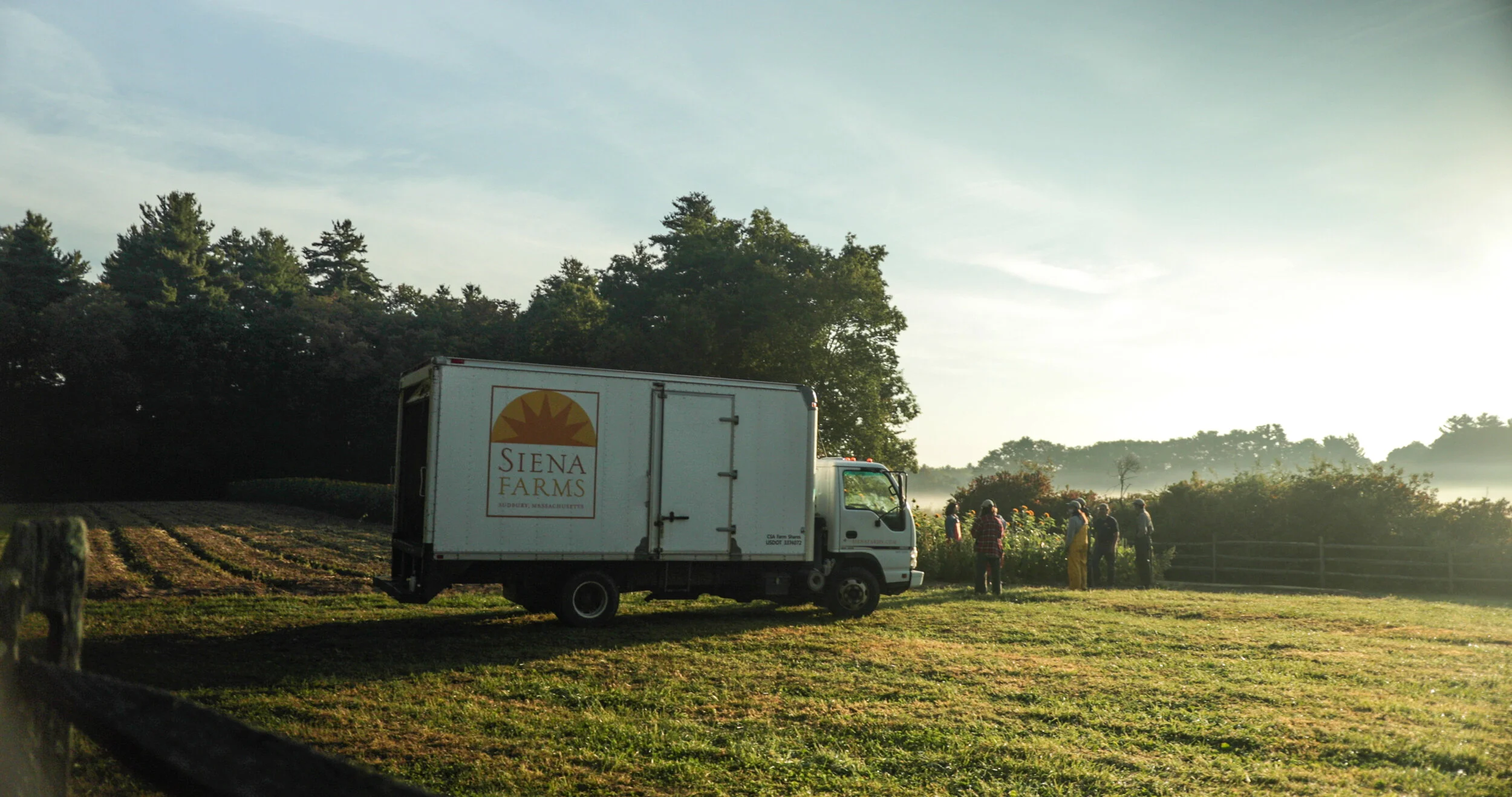
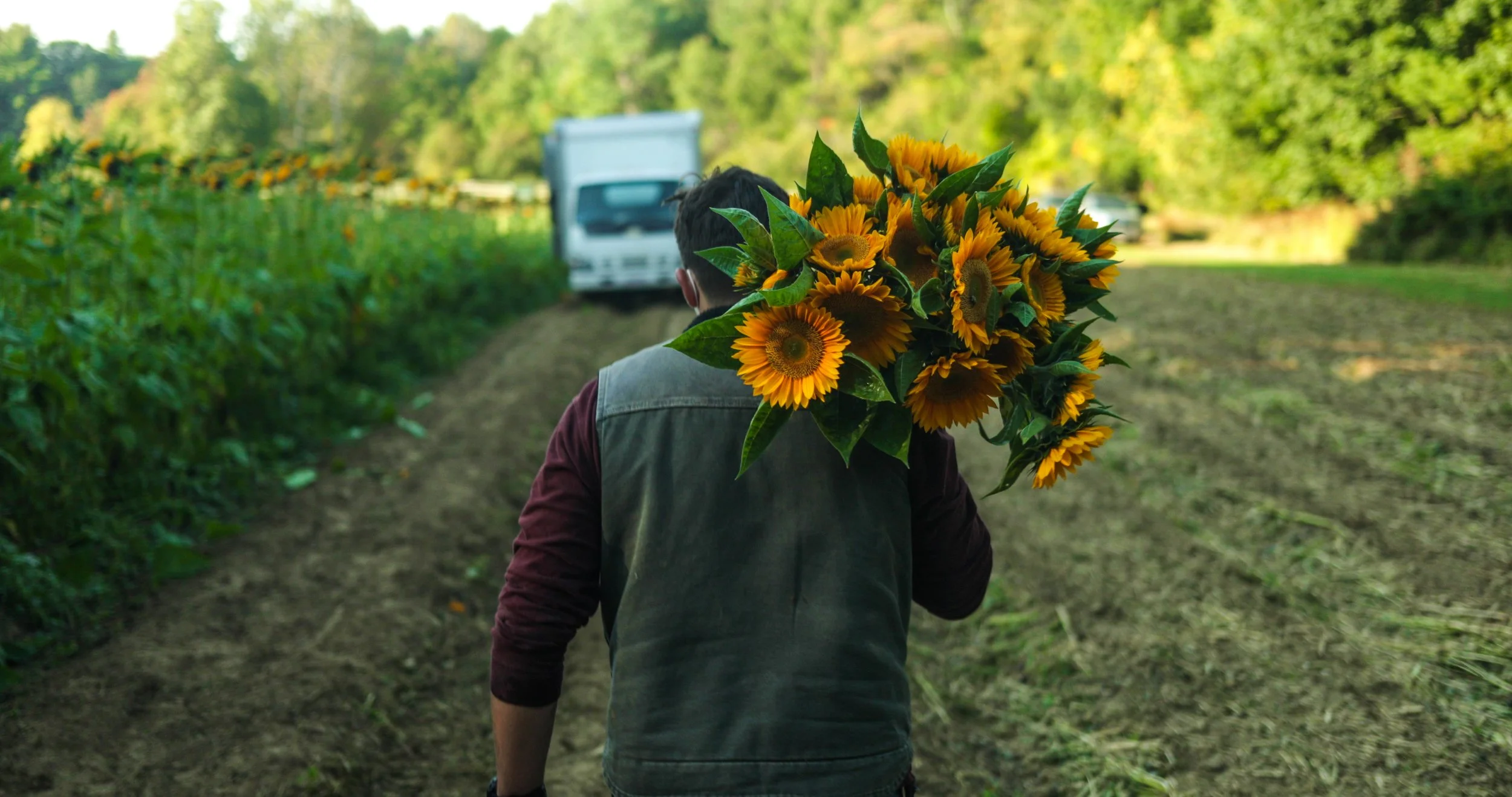
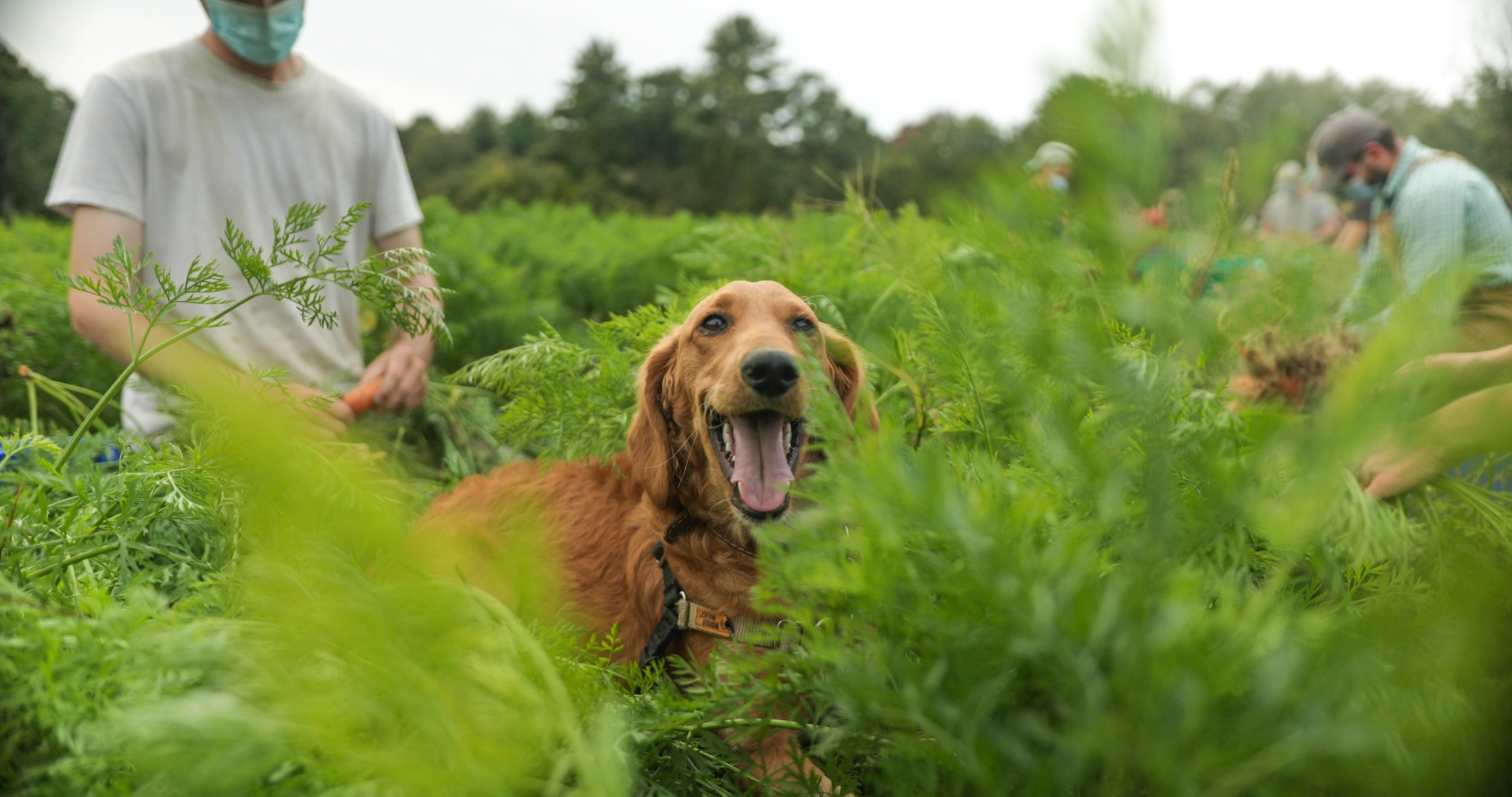
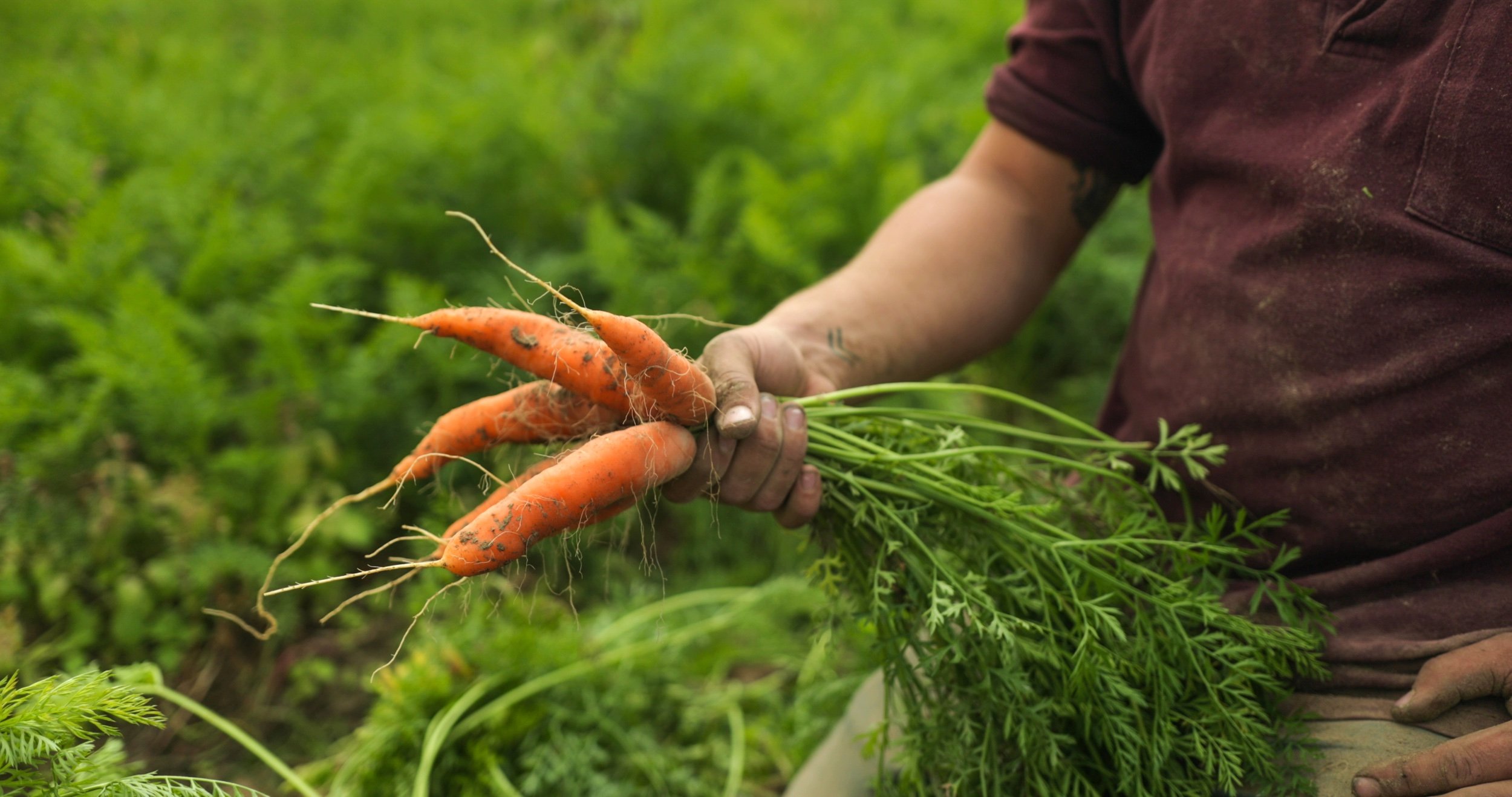
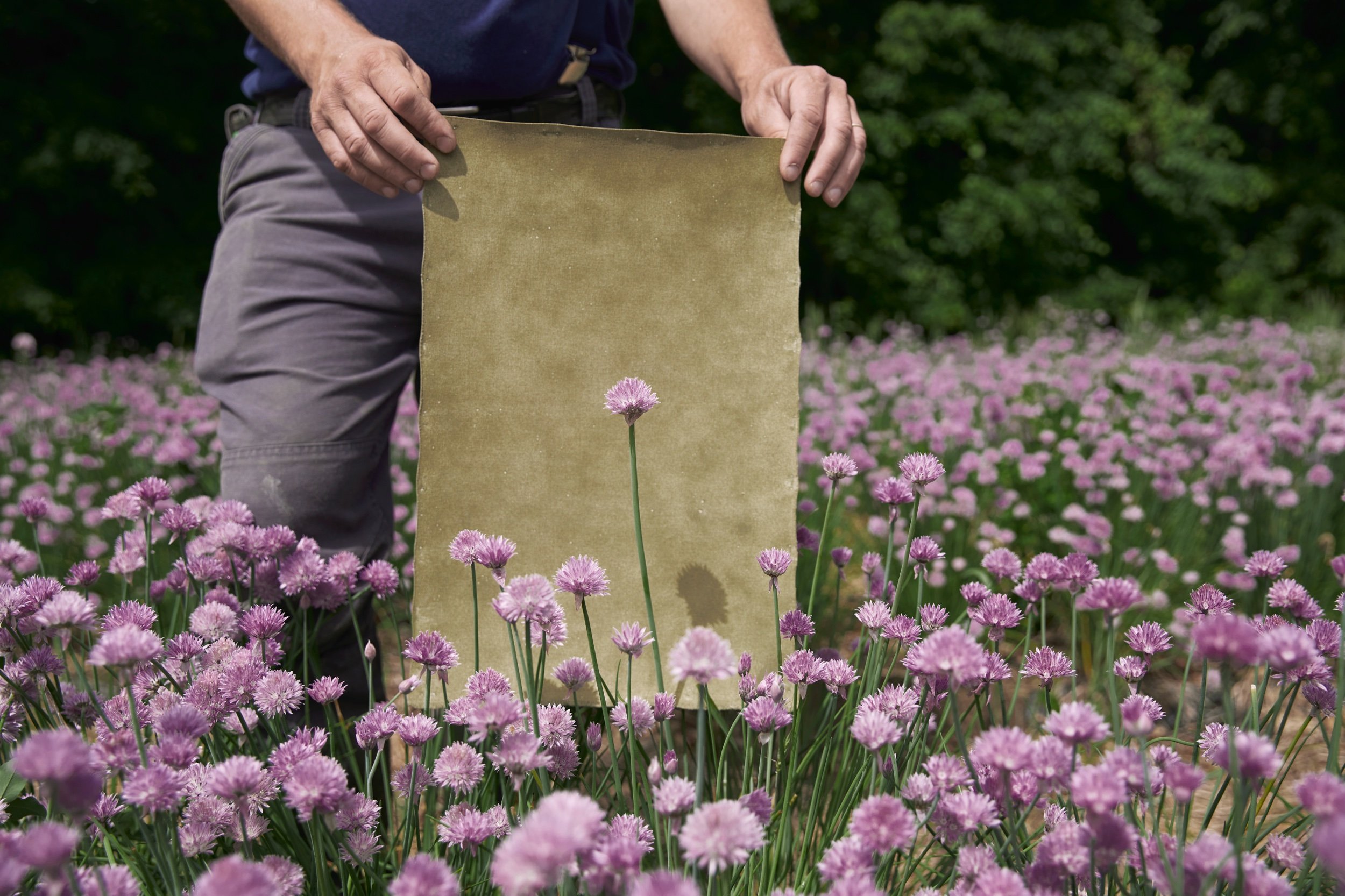
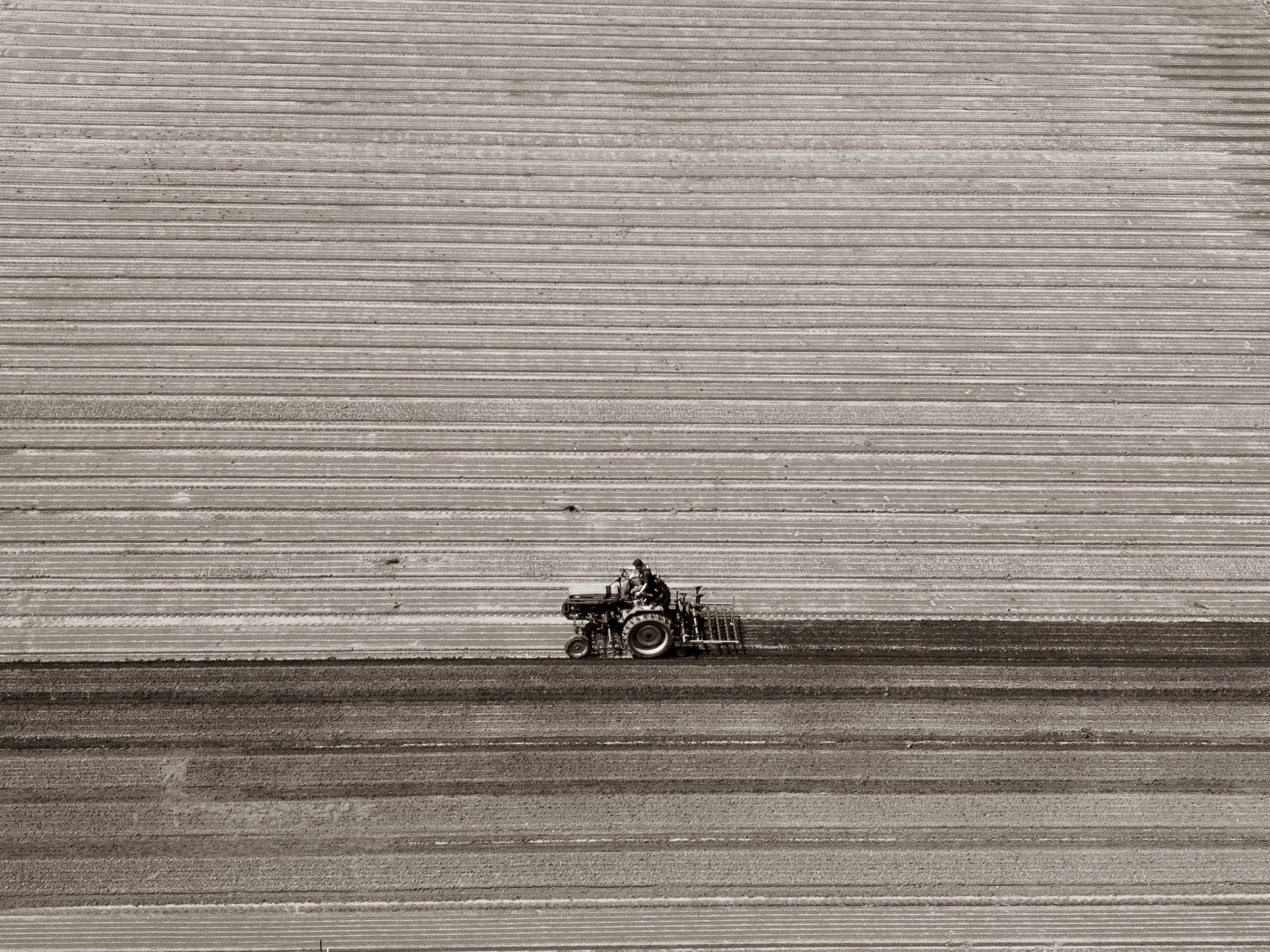
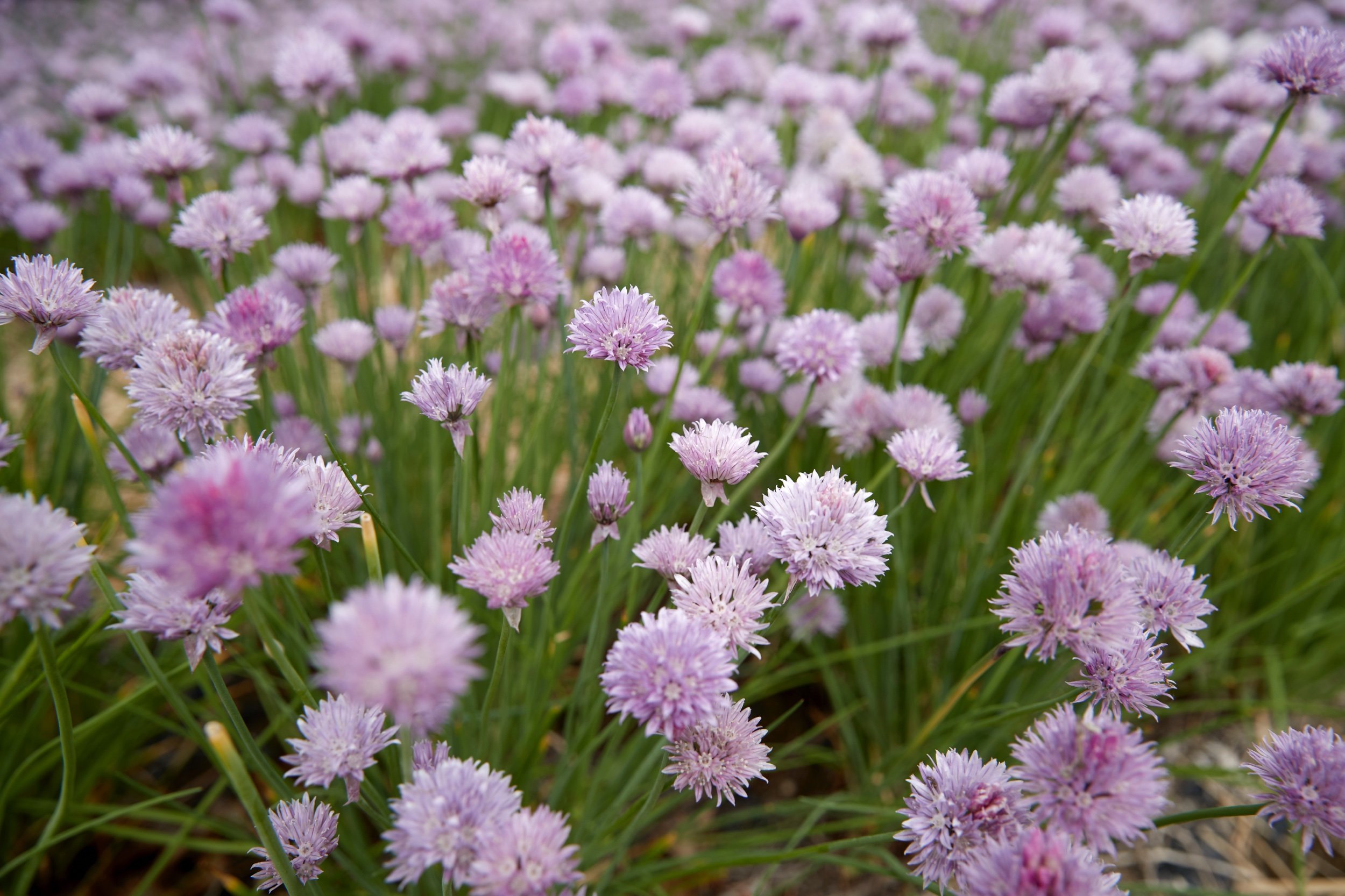
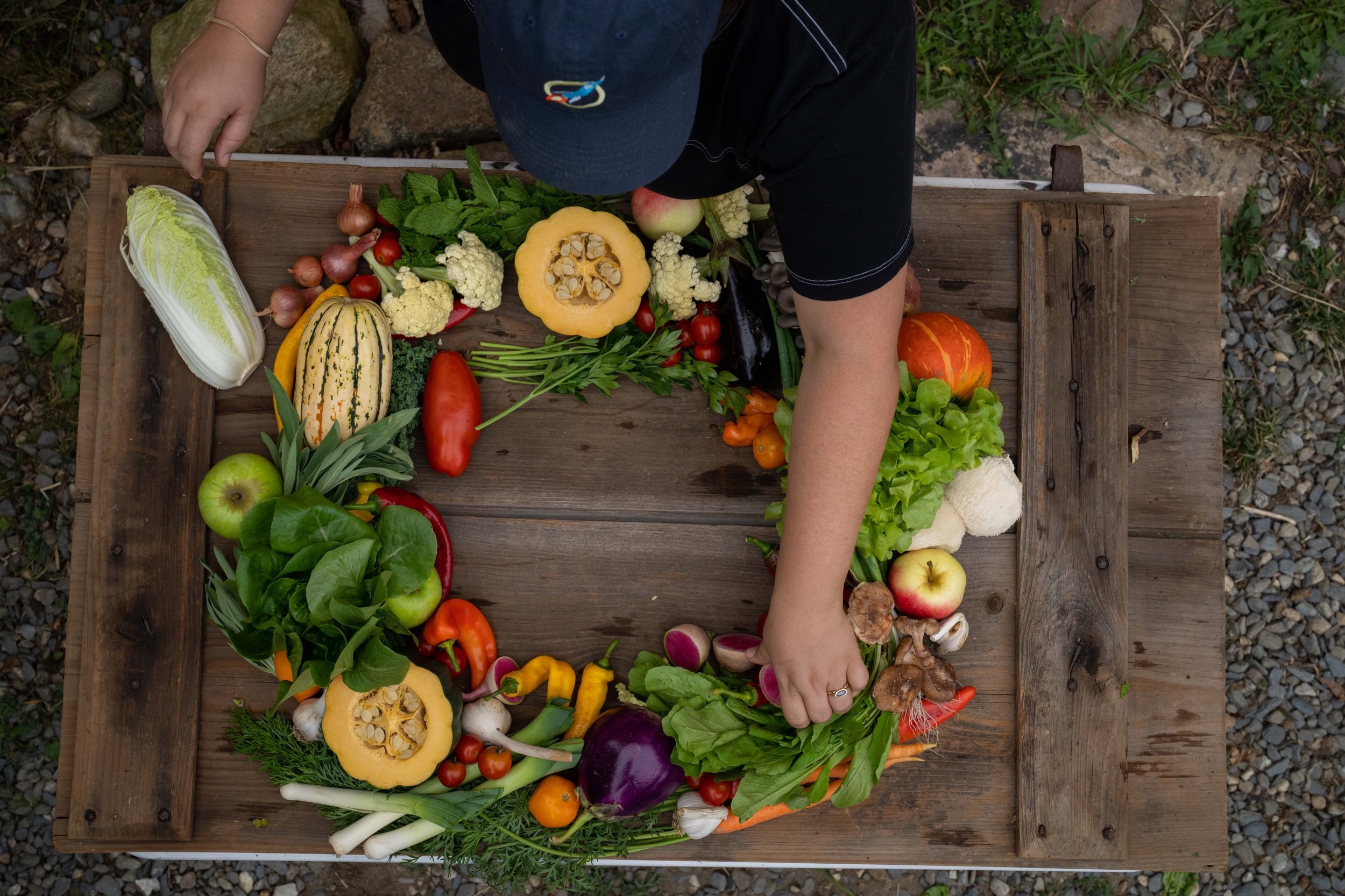
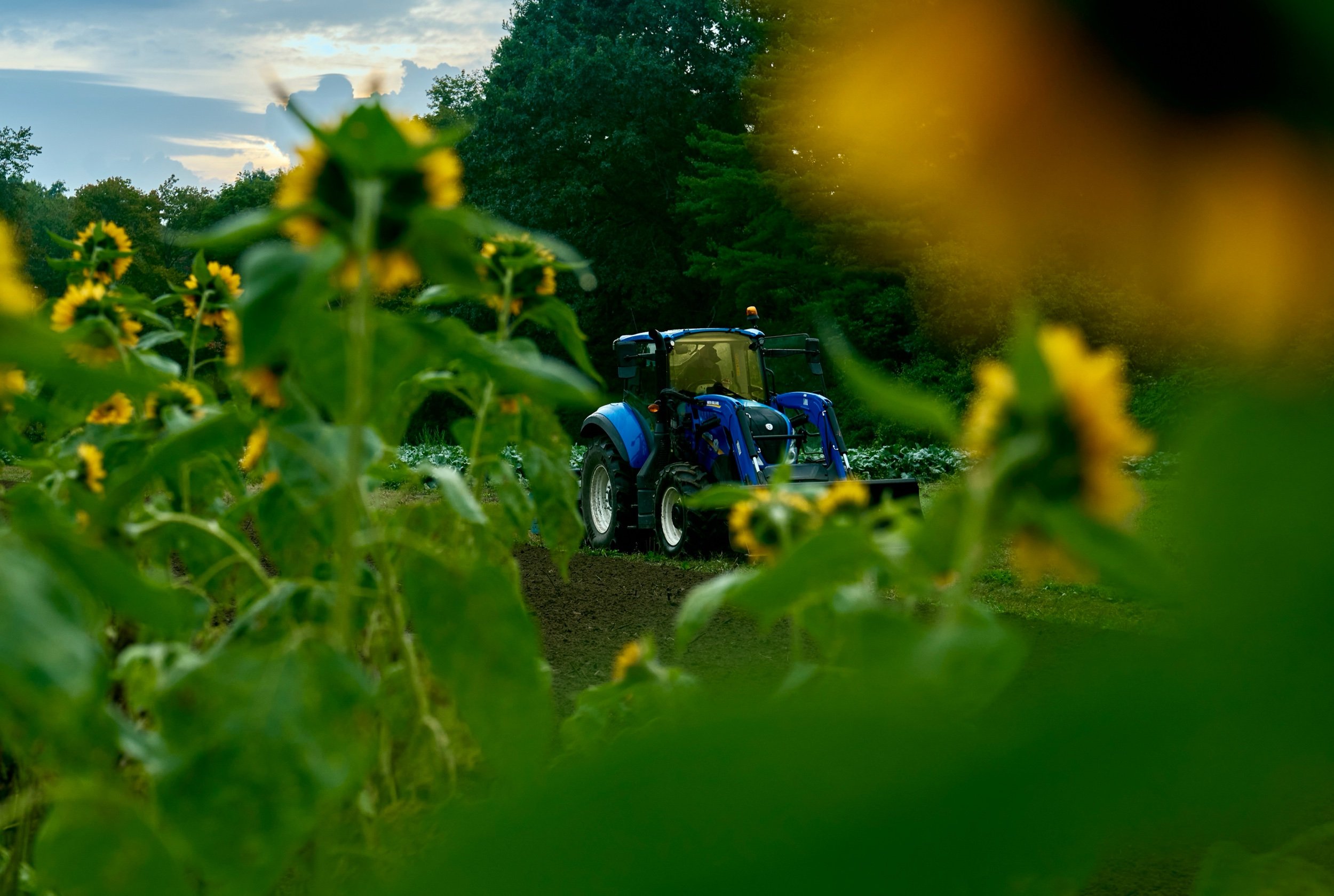
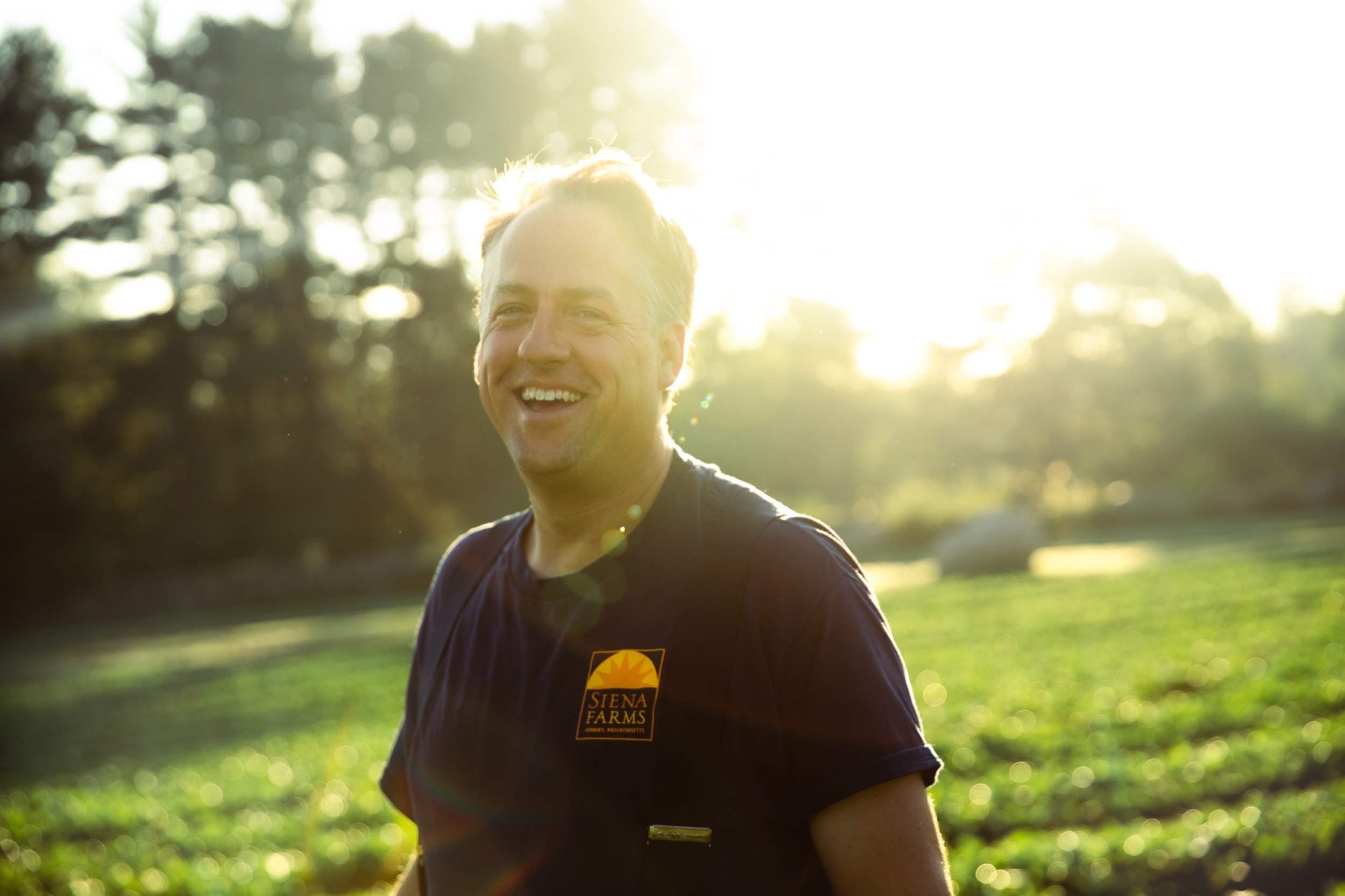
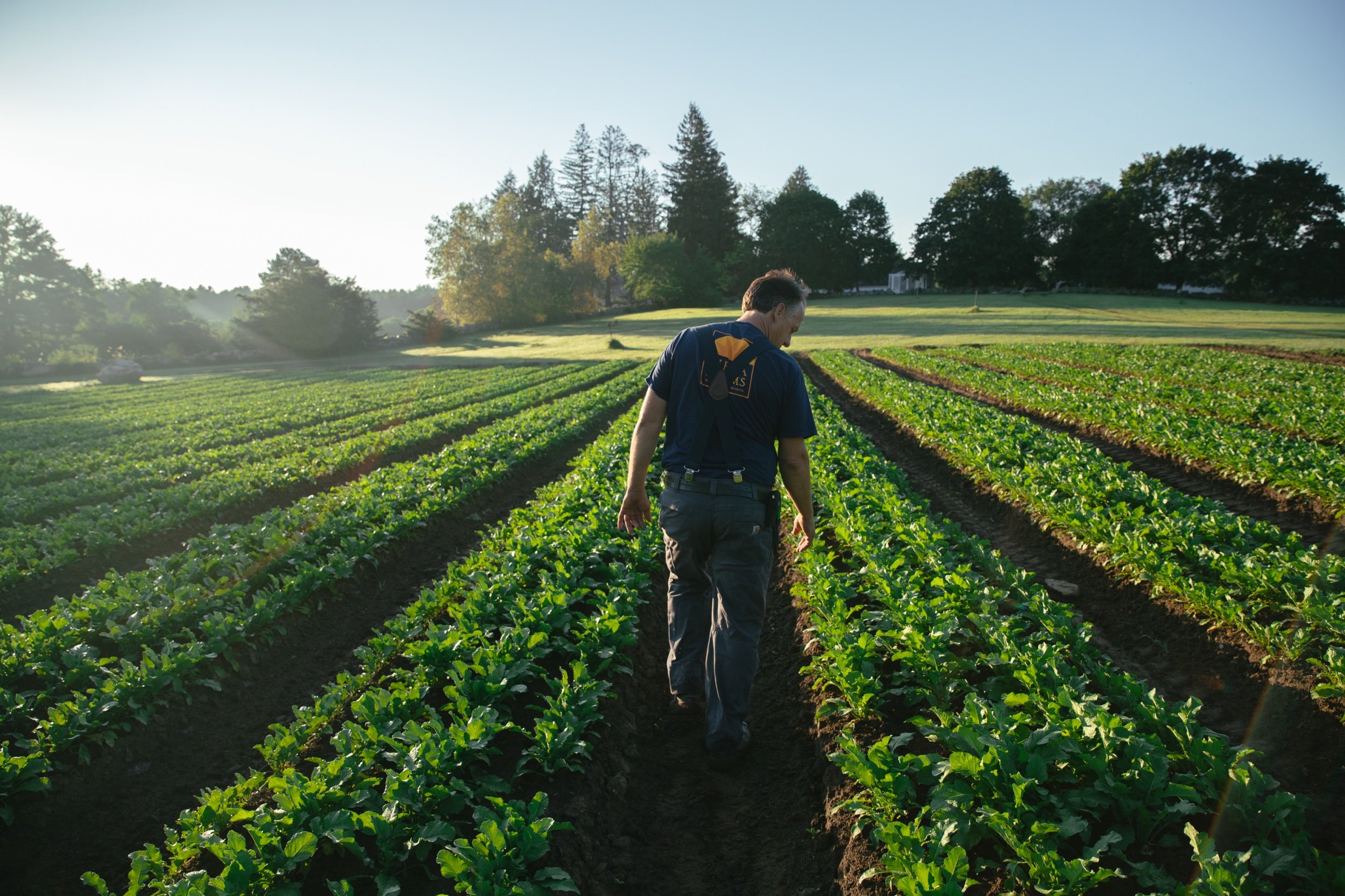
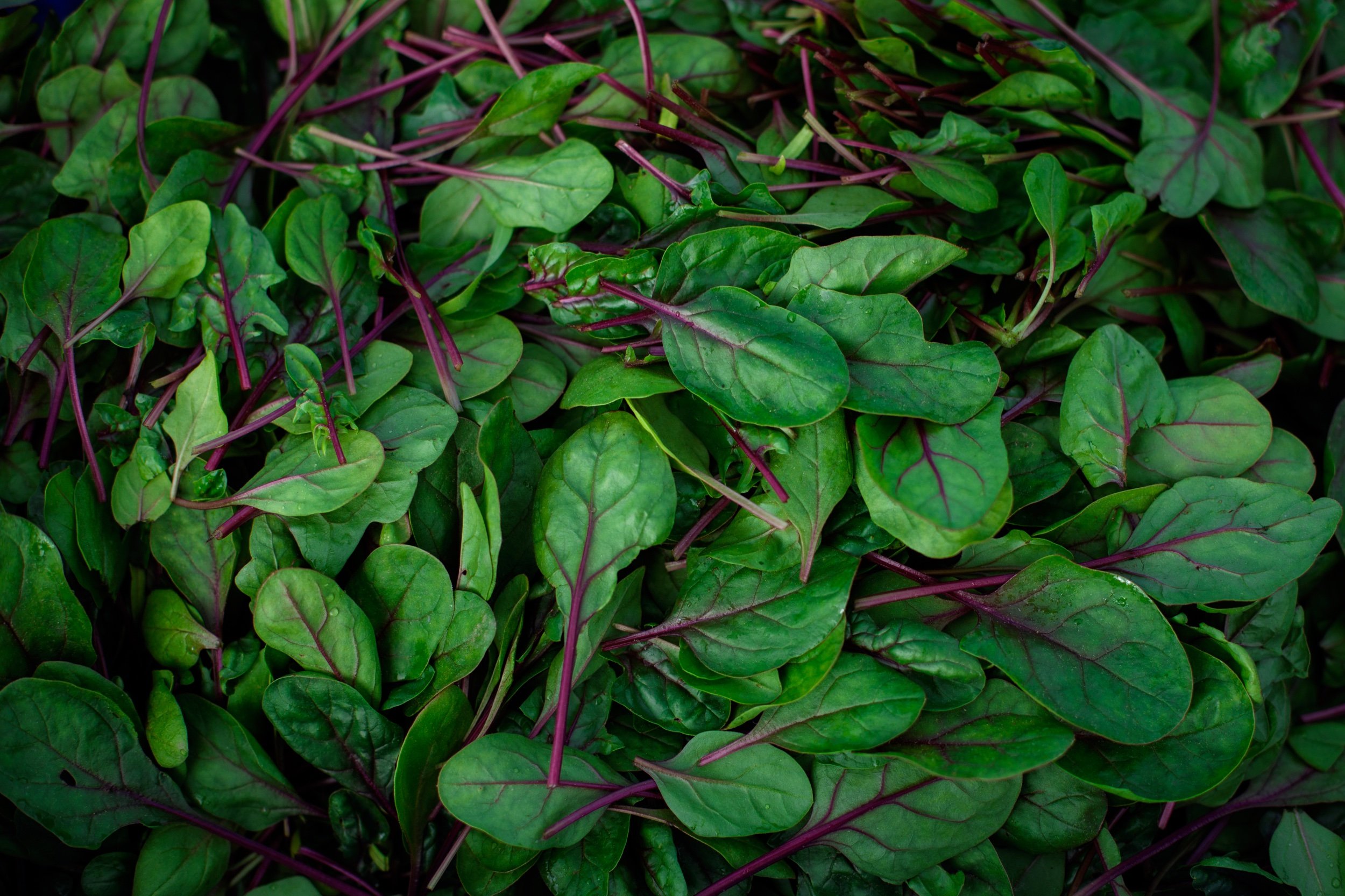
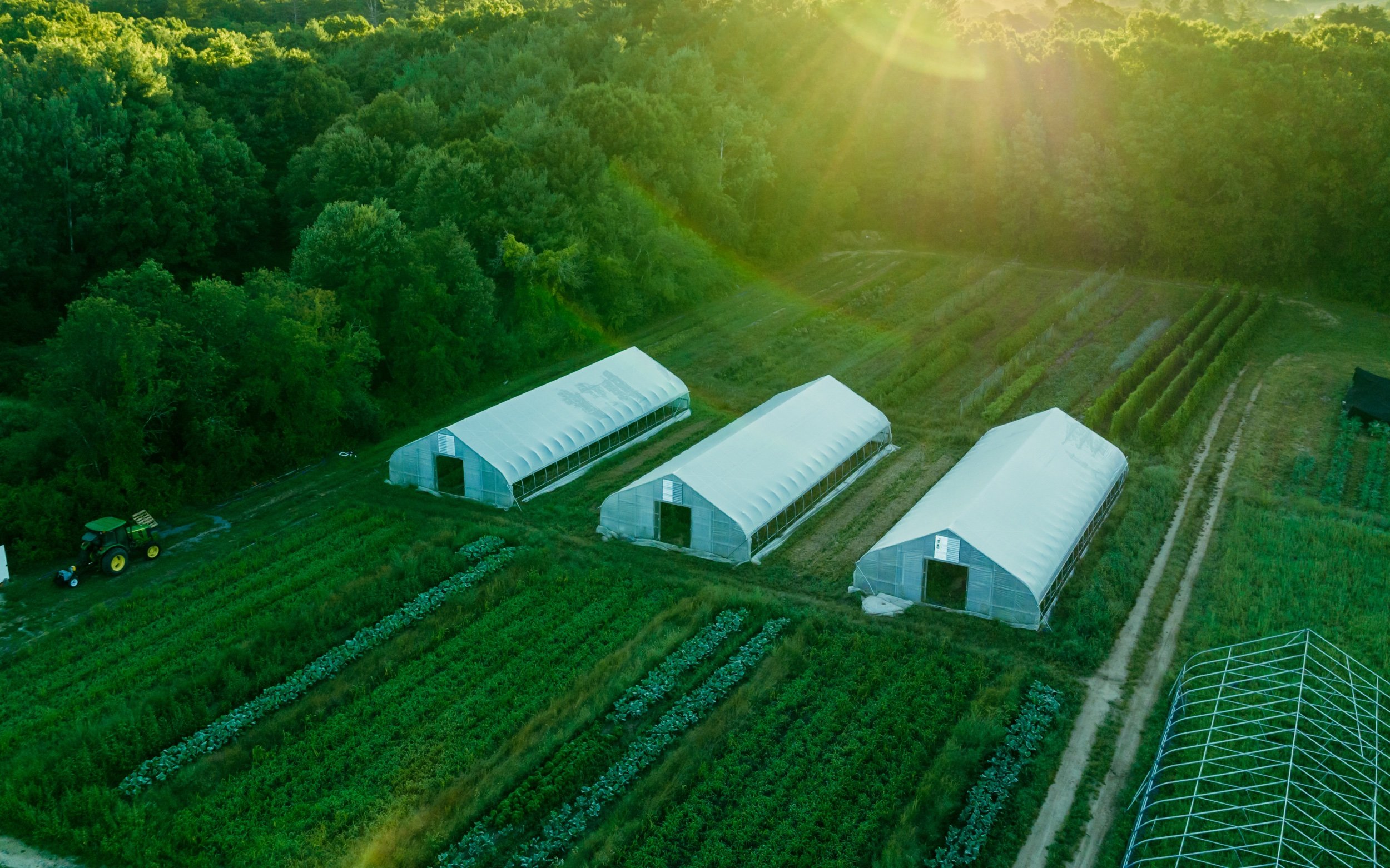
When I started working with Siena Farms on a multi-year content partnership, we didn't know exactly what we'd be creating six months in. We knew the bones: they're a CSA farm with a profound story about land and community and food systems. But the specific expressions of that story? Those evolved. We created long-form documentaries about their farming practices. We shot intimate portraits of the farmers themselves. We built short-form content for social media that captured the texture of a season. Each piece was different, but they all came from the same understanding of who they were.
The difference that makes is impossible to overstate. Because I wasn't parachuting in for a production day and then disappearing. I was there through the seasons. I saw what actually happened, not just what was planned. I understood the rhythm of their work. I knew which moments felt true and which ones felt forced. That accumulated knowledge shaped every single piece we made together.

From the brand's perspective, what a long-term partnership means is that you're not restarting the creative discovery process every time you need new content. You're not explaining your story to someone new. You're not dealing with the friction and startup time that comes with every new project. Instead, you're building something cumulative. Your creative team becomes, in a real way, part of your organization. They understand your values. They know your audience. They're thinking about your goals even when they're not actively shooting.
It also means flexibility that one-off projects can't offer. If something unexpected happens, if an opportunity emerges, if the market shifts and you need to respond quickly, your creative team is already embedded. You don't need to brief them on who you are. You can move fast. We've done that countless times with Siena Farms. A moment would surface, we'd realize it needed to be captured, and because we already had deep context, we could pivot and create something meaningful in days rather than weeks.
The investment is real too. Long-term partnerships require commitment from both sides. You're building infrastructure and trust and shared language. But the return on that investment shows up in every single piece of work. The content gets better. The creative solutions become more sophisticated. The team learns what truly resonates with your audience, and they stop wasting energy on things that don't.
I think of it like the difference between having a freelance contractor and having a member of your team. One is useful for specific tasks. The other becomes part of how you think and operate.
If you're a brand that cares about building a consistent, compelling visual narrative over time, if you understand that content is an ongoing investment rather than a series of transactions, a long-term creative partnership might be exactly what you need. It's how you turn one-off projects into something that compounds and compounds until your visual storytelling becomes genuinely distinctive.
Let's talk about what a partnership like this could look like for your brand. Reach out, and we can explore what's possible when we're in this for the long game.